

A Microbial Organ
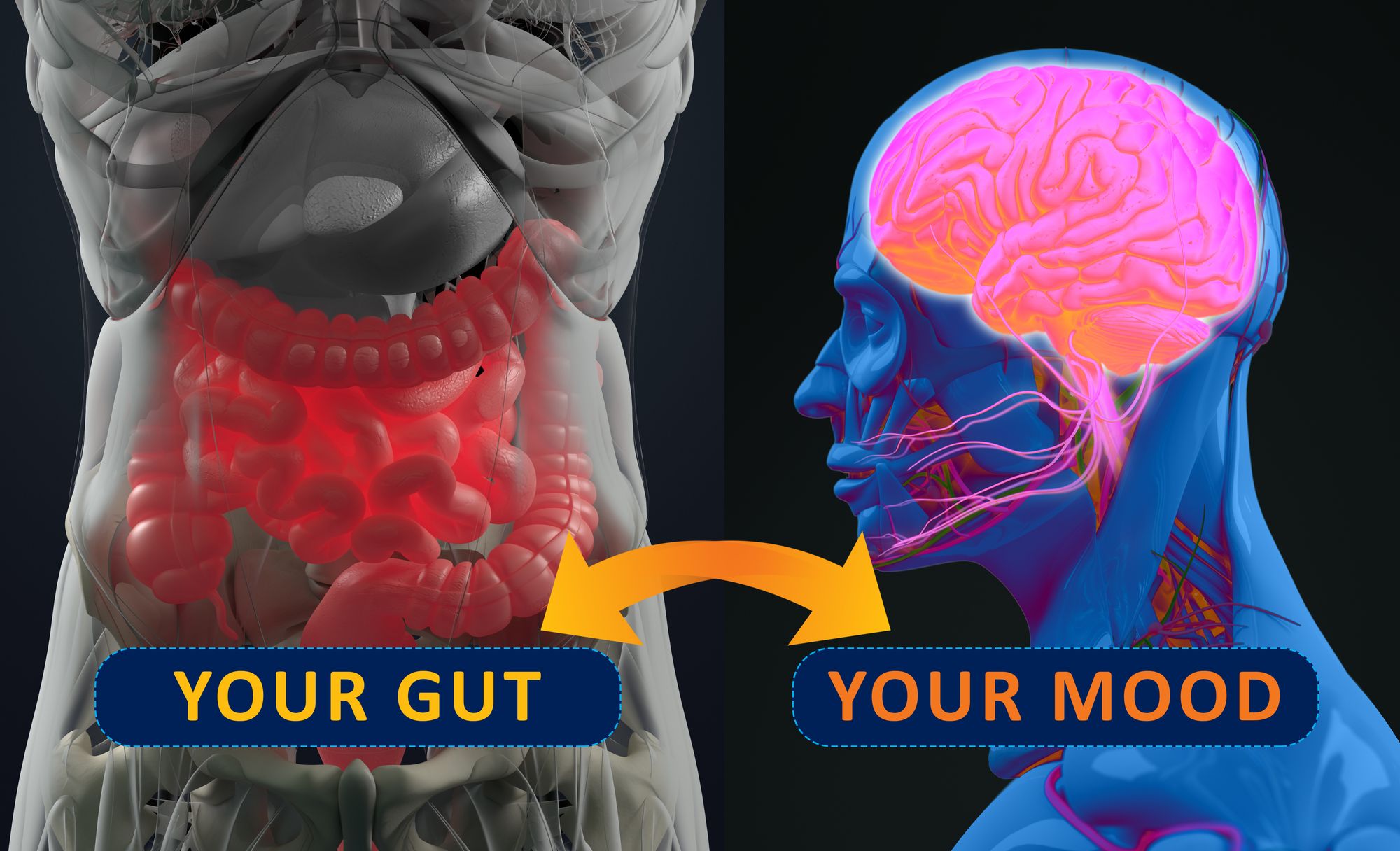
Any community of bacteria, viruses, fungi or other microbes living together as one ecosystem is called a "microbiome". Microbiomes exist ubiquitously across nature, from soil, to oceans to volcanos. The human body has its own microbiome, on the skin, genitals, lungs and all organs exposed to the environment, but is most densely populated in the large intestine, where it is commonly referred to as the human “gut microbiome.” This microbial ecosystem within the gut is made up of over one thousand bacterial species and likely many times more viruses and other microbes which have yet to be formally identified. Indeed, this jungle of microbial cells living within the human body is so dense and diverse, they outnumber human cells in the human body and contain more than 99 per cent of the genes located within the human body.Contrary to our previous beliefs that all bacteria were “germs” and caused disease, growing scientific evidence shows that a large majority of the 40 trillion bacteria within the human body are harmless and indeed actually essential for human health. For example, humans do not have the enzymes necessary to break down fibre in our diets. This fibre is instead broken down by the microbes in your lower gut, which creates many different types of healthy chemicals that can strengthen your gut wall and control your appetite. The diverse community of microbes within the gut also helps to train your immune system, helping to fight off infections and prevent inflammation, a process that contributes to heart disease and cancerOne of the most fascinating discoveries in gut microbiome research, however, is its influence on brain health. This research has shown that both gut cells and bacteria within the gut can produce brain chemicals called “neurotransmitters,” such as serotonin and GABA, which control our mood and behaviour. The gut microbiome also sends signals to the 100 million neurons that connect the gut with the brain, influencing how the brain works.This research has led to the discovery of microbiome supplements that can reduce stress and anxiety and it may also lead to the development of new therapies to treat other more serious brain disorders from Parkinson’s disease to major depression.
Technology for microbiome research
A critical scientific endeavours responsible for this rapidly expanding knowledge of microbes within the human body. The Human Genome Project, conducted from 1990-2003, mapped out the entire human genome for the first time and simultaneously helped to rapidly expand gene sequencing technologies and reduce their cost, to an extent that outpaced Moore’s Law. This led to gene sequencing being applied more easily to other organisms, including microbes. By reading microbial DNA from human biological samples using cheaper and more advanced sequencing technologies, scientists were able to identify many more microbes living within the human body than could previously have been identified using classical microbiology techniques which relied on growing microbes in a dish.These technological and scientific developments in microbiome research, however, require wide ranging research infrastructure. Human biological samples, including blood, stool, saliva and swabs are often treated as potentially infectious in scientific laboratories and therefore require laboratories and equipment accredited for use of infectious agents. Scientific laboratories also increasingly rely on automation using robotics to manage long and repetitive tasks, which are common in preparing samples for microbiome sequencing. DNA sequencing itself relies on the use of expensive sequencing machines that can cost six figures, and which also require high running costs and technical expertise. Finally, DNA sequencing generates masses of data requiring storage and also computational power and bioinformatics expertise to analyse and interpret the data alongside scientific and medical personnel.